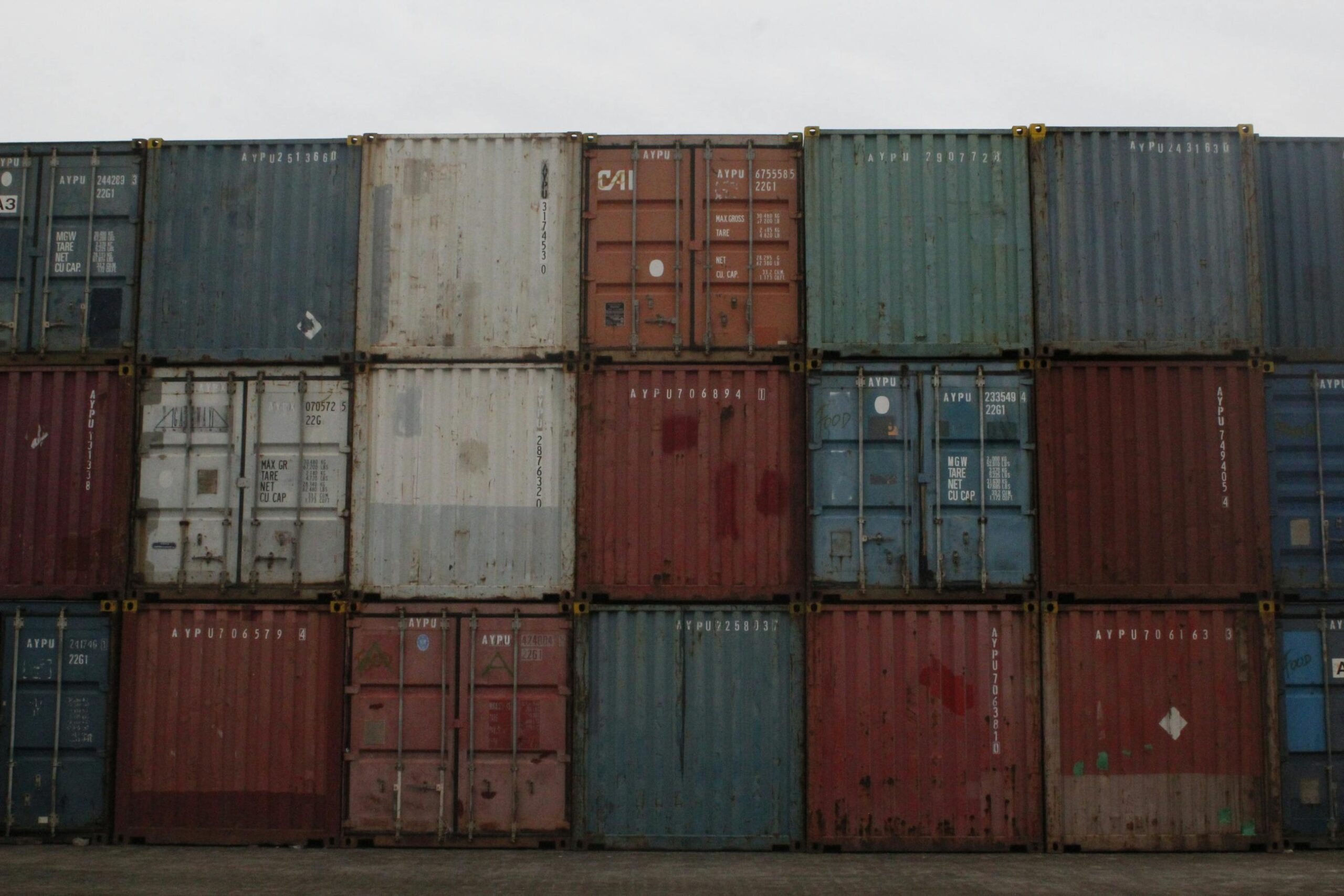
The global commodities market represents one of the most dynamic and essential components of international trade, offering investors and businesses unprecedented opportunities for growth and diversification. As worldwide demand continues to evolve, understanding the intricacies of commodity trading becomes increasingly crucial.

In today’s interconnected economy, commodities serve as the backbone of industrial development, consumer goods production, and energy supply chains. From precious metals and agricultural products to crude oil and natural gas, these raw materials influence everything from inflation rates to geopolitical relationships. The ability to navigate this complex landscape effectively can mean the difference between substantial profits and significant losses.
🌍 Understanding the Fundamental Forces Driving Commodity Markets
Commodity markets operate under a unique set of principles that distinguish them from traditional equity or bond investments. Supply and demand dynamics create price volatility that can present both challenges and opportunities for market participants. Unlike stocks or bonds, physical commodities have inherent value tied to their utility and scarcity.
Global economic growth remains the primary driver of commodity demand. As emerging markets industrialize and populations expand, the consumption of raw materials increases exponentially. Countries like China, India, and Brazil have transformed from minor players to major consumers, fundamentally reshaping global commodity flows and pricing mechanisms.
Weather patterns, geopolitical tensions, technological innovations, and policy decisions all contribute to the complex web of factors affecting commodity prices. A drought in key agricultural regions can send food prices soaring, while political instability in oil-producing nations can disrupt energy markets worldwide. These interconnected variables create a market environment that demands constant vigilance and strategic thinking.
The Diverse Landscape of Commodity Categories
Commodities span multiple categories, each with distinct characteristics and market drivers. Understanding these differences is essential for developing effective trading strategies and portfolio diversification approaches.
Energy Commodities: Powering the Global Economy ⚡
Energy commodities including crude oil, natural gas, coal, and increasingly renewable energy certificates dominate global trade volumes. Oil remains the most actively traded commodity worldwide, with daily price fluctuations influenced by OPEC decisions, inventory reports, and global economic indicators. The transition toward renewable energy sources has introduced new dynamics to this sector, creating opportunities in emerging markets like lithium, cobalt, and rare earth elements essential for battery production.
Natural gas markets have experienced significant transformation due to hydraulic fracturing technology and liquefied natural gas (LNG) infrastructure development. Regional price disparities create arbitrage opportunities, while seasonal demand patterns driven by heating and cooling needs generate predictable volatility cycles.
Precious and Industrial Metals: The Building Blocks of Progress
Precious metals like gold, silver, platinum, and palladium serve dual purposes as industrial inputs and store-of-value assets. Gold particularly maintains its position as a safe-haven investment during economic uncertainty, while silver bridges the gap between precious and industrial metal classifications with significant applications in electronics and solar panel manufacturing.
Industrial metals including copper, aluminum, zinc, and nickel are fundamental to infrastructure development and manufacturing. Copper prices often serve as economic indicators due to the metal’s widespread use in construction, electrical systems, and transportation. The global push toward electrification and green technology has elevated demand forecasts for several industrial metals, creating long-term growth narratives.
Agricultural Commodities: Feeding the World 🌾
Agricultural commodities encompass grains, oilseeds, livestock, and soft commodities like coffee, sugar, and cotton. These markets are particularly sensitive to weather patterns, seasonal cycles, and changing dietary preferences across different regions. The growing global middle class has increased protein consumption, driving livestock and feed grain demand higher.
Climate change introduces additional uncertainty to agricultural markets, with extreme weather events becoming more frequent and unpredictable. This volatility creates both risks and opportunities for traders who can accurately anticipate production disruptions and their market impacts.
Strategic Approaches to Commodity Investment and Trading
Participating in commodity markets requires careful consideration of investment vehicles, risk tolerance, and market knowledge. Multiple approaches exist, each suited to different investor profiles and objectives.
Physical Ownership Versus Financial Instruments
Direct ownership of physical commodities offers the most straightforward exposure but comes with storage, insurance, and transportation challenges. This approach typically makes sense only for certain precious metals like gold and silver, which can be stored relatively easily and securely.
Financial instruments including futures contracts, options, exchange-traded funds (ETFs), and commodity-focused stocks provide more accessible entry points for most investors. Futures contracts allow traders to speculate on or hedge against price movements without taking physical delivery, though they require substantial market knowledge and risk management discipline.
Leveraging Technology in Commodity Trading 📱
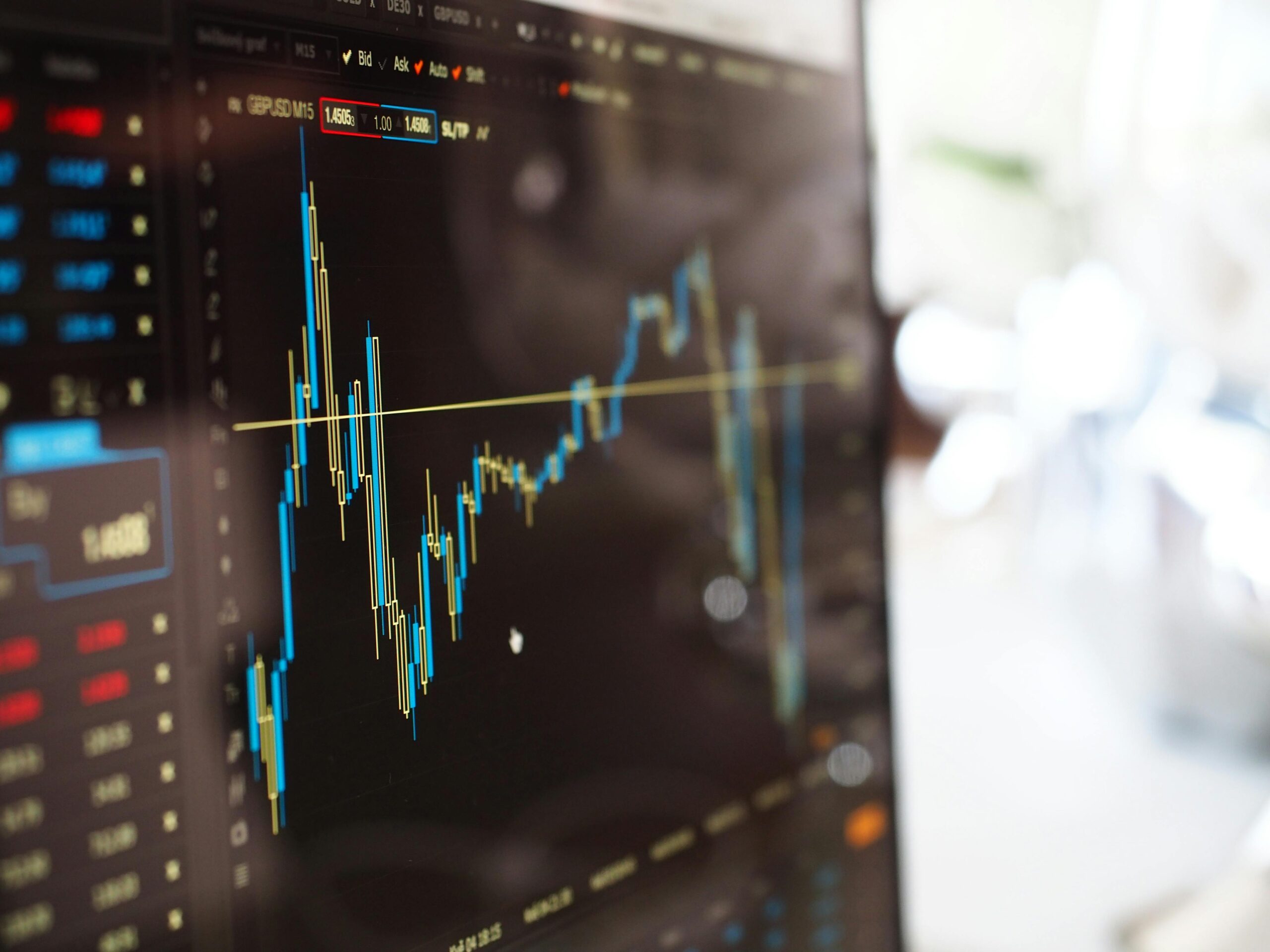
Modern commodity trading increasingly relies on sophisticated technology platforms that provide real-time market data, analytical tools, and execution capabilities. Mobile applications have democratized access to commodity markets, allowing traders to monitor positions and execute orders from anywhere.
Advanced analytics incorporating artificial intelligence and machine learning help identify patterns and correlations that human traders might miss. These technological tools have leveled the playing field between institutional and retail participants, though expertise and disciplined strategy remain essential for success.
Emerging Trends Reshaping Commodity Markets
Several transformative trends are currently reshaping the commodity landscape, creating new opportunities while rendering some traditional approaches obsolete.
The Green Transition and Critical Minerals
The global shift toward renewable energy and electric vehicles has created unprecedented demand for specific commodities. Lithium, cobalt, nickel, and rare earth elements have transitioned from niche markets to strategic priorities for nations and corporations alike. Supply constraints and concentrated production in specific countries have introduced geopolitical dimensions to these markets.
Carbon markets and environmental credits represent entirely new commodity categories emerging from climate policy initiatives. As carbon pricing mechanisms expand globally, these markets will likely grow in importance and liquidity, offering new trading opportunities.
Supply Chain Resilience and Regionalization 🔄
Recent global disruptions have prompted companies and governments to prioritize supply chain resilience over pure cost efficiency. This shift toward regionalization affects commodity flows and pricing dynamics, creating opportunities in previously underutilized production sources and transportation routes.
Nearshoring and friend-shoring trends influence where commodities are sourced and processed, potentially establishing new pricing benchmarks and trade patterns. Understanding these evolving supply chains becomes crucial for identifying emerging market opportunities.
Risk Management in the Volatile World of Commodities
Commodity markets present unique risk profiles that demand comprehensive management strategies. Price volatility exceeds most other asset classes, with potential for rapid and substantial losses alongside opportunities for significant gains.
Diversification Across Commodity Sectors
Spreading exposure across different commodity categories reduces concentration risk while capturing diverse market drivers. Energy, metals, and agricultural commodities often respond differently to the same economic conditions, providing natural hedges within a commodity-focused portfolio.
Correlation patterns between commodities shift over time based on economic conditions and market sentiment. Regular portfolio rebalancing ensures that intended exposure levels are maintained and that no single position dominates risk profile.
Position Sizing and Leverage Management
The availability of leverage in commodity futures markets amplifies both gains and losses. Conservative position sizing relative to total capital ensures that individual losing trades don’t compromise overall portfolio health. Many experienced traders risk no more than one to two percent of their capital on any single position.
Stop-loss orders and predetermined exit strategies help limit downside exposure while allowing winning positions room to develop. Emotional discipline becomes crucial when markets move against positions, as panic decisions often compound losses rather than mitigating them.
Geopolitical Factors and Their Market Impact 🌐
Commodity markets exist at the intersection of economics and geopolitics, with political decisions and international tensions frequently triggering significant price movements. Major producing regions often experience political instability, creating supply disruption risks that savvy traders can anticipate and position for accordingly.
Trade policies including tariffs, export restrictions, and sanctions directly affect commodity flows and prices. The ongoing evolution of international relationships requires constant monitoring, as policy changes can rapidly alter market fundamentals and price trajectories.
Currency fluctuations add another layer of complexity, particularly for commodities priced in US dollars. A strengthening dollar typically pressures commodity prices lower, while dollar weakness often supports higher prices. Understanding these relationships helps traders contextualize price movements and develop more effective strategies.
Building Knowledge and Expertise for Long-Term Success
Successful commodity trading demands continuous learning and adaptation. Markets evolve, new technologies emerge, and fundamental drivers shift over time. Traders who remain static in their approaches inevitably fall behind more adaptive competitors.
Essential Information Sources and Analysis
Quality information forms the foundation of sound trading decisions. Government reports including inventory data, production forecasts, and economic indicators provide objective market fundamentals. Industry publications offer insights into sector-specific developments and expert perspectives on market conditions.
Technical analysis tools help identify price patterns, support and resistance levels, and momentum indicators that guide entry and exit timing. Combining fundamental understanding with technical analysis creates a comprehensive approach that addresses both what should happen and what is actually happening in markets.
The Value of Specialized Education and Mentorship 📚
Formal education in commodity markets, whether through online courses, seminars, or academic programs, accelerates the learning curve and helps avoid costly beginner mistakes. Understanding contract specifications, margin requirements, and market mechanics prevents operational errors that can undermine even sound trading ideas.
Connecting with experienced traders through networking groups or mentorship relationships provides invaluable perspective that only comes from years of market participation. Learning from others’ successes and failures saves time and capital while building the psychological resilience necessary for long-term trading success.
Capitalizing on Cyclical Patterns and Seasonal Trends
Commodity markets exhibit cyclical and seasonal patterns driven by production cycles, consumption patterns, and recurring economic phenomena. Agricultural commodities demonstrate the most obvious seasonality, with planting and harvest cycles creating predictable supply variations throughout the year.
Energy commodities experience seasonal demand shifts related to weather patterns, with heating oil demand peaking in winter months and gasoline consumption rising during summer driving seasons. Natural gas shows pronounced seasonal patterns tied to heating and cooling demands across different climate zones.
Longer-term commodity cycles spanning years or decades result from the time required to develop new production capacity in response to price signals. Mining projects and oil field developments require years from initial discovery to commercial production, creating extended periods where supply struggles to meet growing demand before eventually overshooting and triggering price corrections.
Navigating Market Psychology and Sentiment Extremes 💭
Commodity markets are particularly susceptible to sentiment-driven price movements that temporarily disconnect from fundamental realities. Fear and greed drive prices to extremes during crisis periods or euphoric bull markets, creating opportunities for contrarian traders who can maintain objectivity.
Recognizing when markets have reached sentiment extremes requires experience and disciplined analysis. Indicators including positioning data from futures markets, media coverage intensity, and price momentum can signal when consensus views have become too one-sided, often preceding significant reversals.
The psychological challenges of trading volatile commodities should not be underestimated. Maintaining emotional equilibrium during winning and losing streaks determines long-term success as much as analytical capabilities. Developing personal trading rules and adhering to them regardless of short-term results builds the consistency necessary for sustainable profitability.
Future Horizons: What’s Next for Global Commodity Markets
The commodity landscape continues evolving in response to technological innovation, demographic shifts, and changing environmental priorities. Population growth and rising living standards in developing nations ensure robust long-term demand for most commodity categories, though the specific mix will shift as technologies and preferences evolve.
Climate change adaptation will drive demand for commodities related to water management, drought-resistant agriculture, and climate control systems. Simultaneously, climate mitigation efforts will boost demand for clean energy commodities while potentially constraining fossil fuel consumption growth.
Technological breakthroughs in areas like synthetic biology, advanced materials, and recycling could disrupt traditional commodity markets by creating substitutes or reducing consumption requirements. Staying informed about technological developments helps traders anticipate these potential market transformations before they fully materialize.
Transforming Insights Into Action and Opportunity 🚀
The dynamic world of commodities offers compelling opportunities for those willing to invest time in understanding market fundamentals, developing analytical capabilities, and maintaining disciplined risk management practices. Whether approaching commodities as portfolio diversification tools, inflation hedges, or active trading vehicles, success requires matching strategy to personal circumstances and objectives.
Starting with modest position sizes while building knowledge and experience allows traders to develop skills without risking catastrophic losses. Paper trading or simulation platforms provide valuable learning environments before committing real capital to volatile markets.
The interconnected nature of global commodity markets means that developments anywhere can affect prices everywhere. Maintaining awareness of international economic trends, geopolitical developments, and technological innovations positions traders to identify emerging opportunities before they become obvious to broader market participants.
Ultimately, riding the waves of global commodity demand successfully combines analytical rigor, psychological discipline, continuous learning, and adaptive strategy development. Those who master these elements position themselves to capitalize on one of the most fundamental and enduring aspects of global economic activity, unlocking opportunities that reward skill, persistence, and strategic thinking in equal measure.