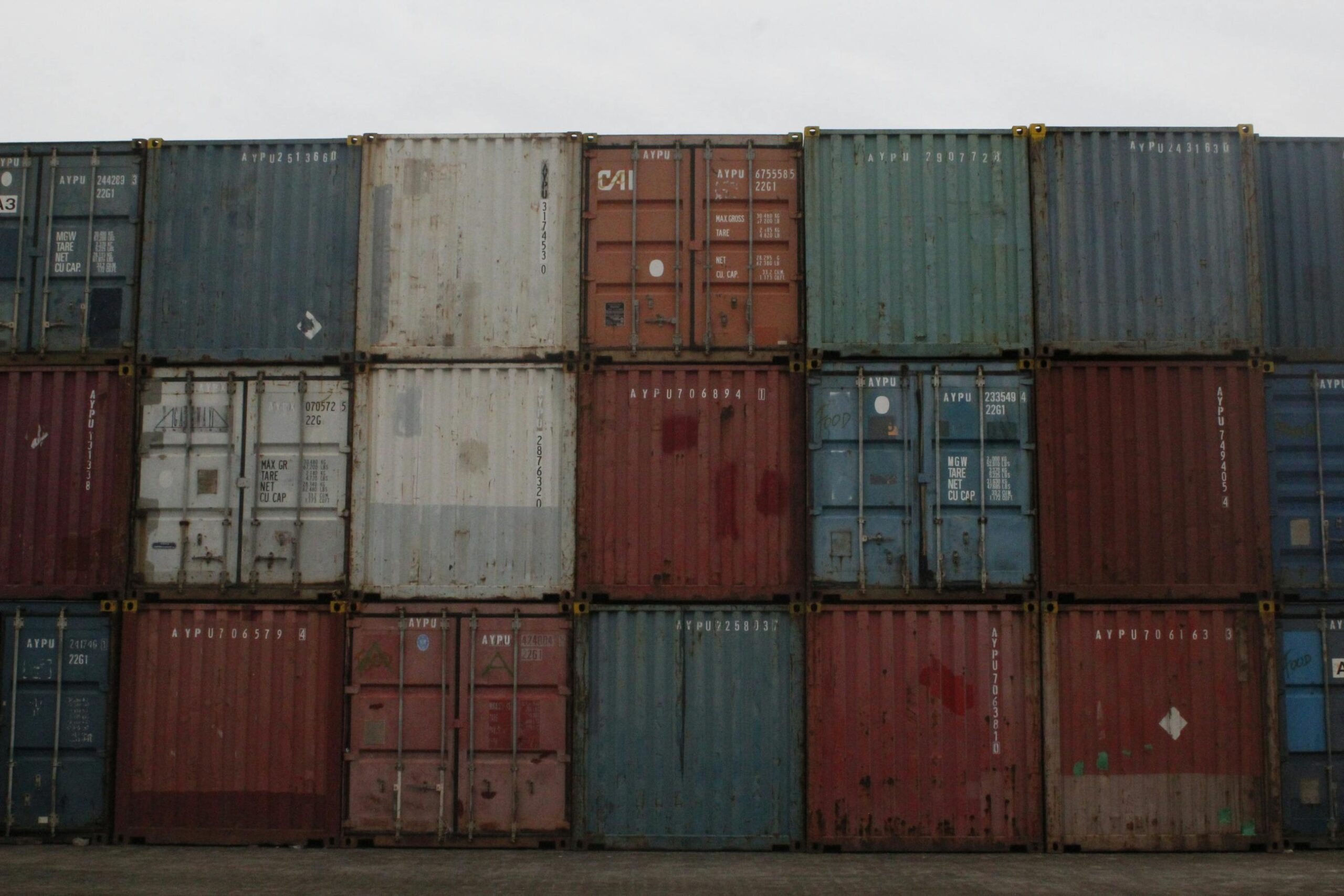
The departure of the United Kingdom from the European Union has fundamentally reshaped the global trading environment, creating a complex web of new relationships and regulations.

Businesses, policymakers, and entrepreneurs worldwide are now facing an unprecedented landscape that demands strategic adaptation and innovative thinking. The post-Brexit era presents a unique combination of liberating opportunities and formidable obstacles that will define international commerce for decades to come. Understanding these dynamics is essential for anyone engaged in cross-border trade, investment, or economic policy formulation.
🌍 The New Trading Reality: Understanding the Fundamental Shift
Brexit has fundamentally altered the architecture of European and global trade. The United Kingdom, once seamlessly integrated into the EU single market, now operates as an independent trading nation with its own regulatory framework, customs procedures, and trade agreements. This transformation has created friction where none previously existed, while simultaneously opening doors to bilateral arrangements that were previously impossible.
The Trade and Cooperation Agreement signed between the UK and EU in December 2020 provides the foundational framework for this new relationship. While it ensures tariff-free and quota-free trade in goods, it introduces non-tariff barriers, customs checks, and regulatory divergence that businesses must navigate. Services, which constitute approximately 80% of the UK economy, received limited coverage in the agreement, creating particular challenges for financial services, professional qualifications, and digital trade.
For businesses accustomed to frictionless trade within the EU, the adjustment has been substantial. Supply chains built on just-in-time manufacturing principles have faced disruptions due to customs delays. Companies now grapple with rules of origin requirements, regulatory compliance across two separate jurisdictions, and increased administrative burdens that add costs and complexity to operations.
📈 Emerging Opportunities in the Post-Brexit Marketplace
Despite the challenges, Brexit has created genuine opportunities for businesses willing to adapt and innovate. The UK’s newfound regulatory autonomy allows it to diverge from EU standards in ways that could create competitive advantages in certain sectors. From financial services innovation to agricultural biotechnology, the potential for tailored regulation exists.
Independent Trade Policy and New Partnerships
The UK can now negotiate and implement trade agreements independently, a freedom that has already yielded results. Agreements with Japan, Australia, and New Zealand represent early successes, while ongoing negotiations with the United States, India, and Gulf Cooperation Council nations could open substantial new markets. These agreements offer British businesses preferential access to growing economies, particularly in the Asia-Pacific region where economic dynamism is concentrated.
For sectors like whisky, automotive, and financial services, these agreements potentially provide advantages that didn’t exist within the EU framework. The ability to prioritize UK-specific interests in negotiations, rather than balancing 27 member states’ priorities, offers strategic flexibility.
Regulatory Innovation and Competitive Positioning
The UK government has signaled intentions to create more agile regulatory frameworks in areas like artificial intelligence, fintech, and green technology. The Edinburgh Reforms announced for financial services aim to tailor regulation to UK markets rather than following EU directives. If implemented thoughtfully, such divergence could attract investment and talent seeking more innovation-friendly environments.
Similarly, freedom to set agricultural and environmental standards independently allows the UK to potentially lead in areas like sustainable farming, animal welfare, and carbon-neutral food production—creating premium market positioning for British products globally.
Reshoring and Supply Chain Resilience
Brexit has accelerated conversations about supply chain resilience and strategic autonomy. Companies are reconsidering over-reliance on complex international supply chains and exploring domestic sourcing alternatives. This trend, amplified by pandemic disruptions and geopolitical tensions, presents opportunities for UK manufacturers and service providers to capture business previously sent offshore.
Government initiatives supporting advanced manufacturing, semiconductor production, and critical minerals processing aim to rebuild domestic industrial capacity. For businesses positioning themselves in these sectors, substantial government support and market opportunities exist.
⚠️ Navigating the Challenge Landscape
The opportunities come with significant challenges that require careful management and strategic planning. Understanding these obstacles is essential for realistic business planning in the post-Brexit environment.
Customs and Border Friction
The introduction of customs procedures between the UK and EU has created tangible costs and delays. Businesses now require customs declarations, certificates of origin, and compliance with different regulatory standards. For small and medium enterprises without dedicated trade compliance teams, these requirements represent significant barriers to EU market access.
Data from the UK Office for National Statistics shows that trade volumes between the UK and EU have been affected, with some businesses finding the additional costs prohibitive. Perishable goods sectors, particularly food and agriculture, face acute challenges due to time-sensitive supply chains and sanitary and phytosanitary checks.
Services Sector Limitations
The services sector, Britain’s economic strength, has faced particular challenges post-Brexit. The loss of automatic passporting rights for financial services means UK-based firms no longer have guaranteed access to EU markets. Many financial institutions have established or expanded EU operations to maintain market access, representing a partial fragmentation of the sector.
Professional services face qualification recognition issues, making it more complex for UK professionals to work across EU markets. Digital services and data transfers operate under frameworks requiring ongoing negotiation and potential vulnerability to regulatory changes.
Labor Mobility and Skills Gaps
The end of free movement between the UK and EU has created labor market challenges, particularly in sectors historically reliant on EU workers. Hospitality, agriculture, healthcare, and construction have reported skills shortages. While the points-based immigration system aims to attract high-skilled workers globally, filling lower-skilled positions has proven difficult.
For businesses, this translates to increased labor costs, recruitment challenges, and potential operational constraints. The agricultural sector has been particularly affected, with seasonal worker shortages impacting harvest capacity.
💼 Strategic Adaptation: Business Responses to the New Reality
Successful navigation of the post-Brexit landscape requires strategic adaptation rather than passive compliance. Leading businesses are implementing several approaches to thrive in this environment.
Dual Regulatory Compliance Strategies
Companies serving both UK and EU markets are developing capabilities to comply with potentially diverging regulatory frameworks. This includes maintaining parallel product lines, obtaining certifications for both jurisdictions, and establishing operations in both territories to minimize cross-border friction.
While costly, this approach provides resilience against regulatory divergence and maintains market access. Pharmaceutical companies, automotive manufacturers, and chemical producers have been particularly active in implementing dual compliance strategies.
Digital Transformation and Trade Technology
Technology is playing a crucial role in managing post-Brexit complexity. Customs management software, digital freight platforms, and automated compliance tools help businesses navigate documentation requirements more efficiently. Investment in these technologies reduces administrative burden and minimizes errors that could cause costly delays.
Blockchain-based solutions for provenance tracking and smart contracts for automated customs processes represent emerging technologies that could significantly reduce friction in international trade over time.
Market Diversification Beyond Europe
Many UK businesses are accelerating diversification strategies to reduce dependence on EU markets. This includes targeting growth markets in Asia, strengthening North American presence, and exploring opportunities in Africa and Latin America. Government export support programs are increasingly focused on facilitating entry into these alternative markets.
For businesses previously focused primarily on European markets, this diversification requires investment in market research, relationship building, and understanding different regulatory and cultural contexts—but offers long-term resilience against European market volatility.
🔄 The Northern Ireland Protocol: A Special Case
The Northern Ireland Protocol represents a unique arrangement within the post-Brexit landscape, keeping Northern Ireland aligned with EU single market rules for goods while remaining part of the UK customs territory. This creates a complex dual-access situation that presents both opportunities and challenges.
Businesses operating in Northern Ireland theoretically enjoy access to both UK and EU markets, though practical implementation has proven contentious. The Windsor Framework negotiated in 2023 aimed to ease some frictions, introducing green and red lanes for goods destined for Northern Ireland versus those potentially entering the EU single market.
For businesses, understanding these arrangements is crucial if considering Northern Ireland as a strategic base for accessing both markets. However, ongoing political sensitivities mean this framework remains subject to potential future adjustments.
🌱 Sustainability and Ethical Trade in the New Landscape
Post-Brexit trade policy intersects significantly with sustainability and ethical sourcing considerations. The UK’s independent ability to set standards creates opportunities to lead in responsible trade practices or risks creating regulatory arbitrage that undermines standards.
The UK government has committed to not lowering environmental or labor standards in pursuit of trade deals, though debates continue about what this means in practice. For businesses, communicating commitment to high standards can be a market differentiator, particularly as consumer awareness of supply chain ethics increases.
Carbon border adjustment mechanisms, both potential UK versions and the EU’s Carbon Border Adjustment Mechanism, will create new compliance requirements linking trade with climate goals. Businesses need to prepare for carbon accounting across supply chains and potential carbon-related tariffs.
📊 Measuring Success: Key Performance Indicators for the Post-Brexit Era
Evaluating how well the UK and businesses are navigating post-Brexit trade requires clear metrics beyond simple trade volume comparisons, which are affected by multiple factors including the pandemic and global economic conditions.
- Trade agreement coverage: The percentage of UK trade covered by preferential agreements compared to EU membership baseline
- Foreign direct investment flows: Investment into UK sectors, indicating confidence in the business environment
- Supply chain efficiency metrics: Transit times, customs clearance speeds, and administrative cost burdens
- Services trade performance: Particularly critical given the sector’s economic importance
- Business formation and survival rates: Indicating entrepreneurial confidence and adaptability
- Regional economic performance: Ensuring benefits are distributed across UK regions, not concentrated in London
Early data shows mixed results across these metrics, with some sectors adapting more successfully than others. Long-term assessment requires patience, as the full implications of Brexit will emerge over years rather than months.
🎯 Looking Forward: The Evolution Continues
The post-Brexit trade landscape remains dynamic rather than settled. Regulatory divergence between the UK and EU continues gradually, creating ongoing adaptation requirements. Trade agreement negotiations progress, potentially opening new markets. Technology evolves, offering new solutions to manage complexity.
For businesses, maintaining strategic flexibility is essential. This means building adaptable supply chains, investing in trade expertise, maintaining strong government affairs capabilities to anticipate regulatory changes, and cultivating diverse market relationships that don’t depend on any single geography.
The geopolitical context also matters enormously. UK-EU relations exist within broader dynamics including US-China tensions, climate change imperatives, and technological transformation. Brexit Britain’s role in this complex global system remains under definition, creating both uncertainty and opportunity for strategic positioning.
🚀 Practical Steps for Businesses in This Environment
Companies operating in or with the UK should consider several practical actions to optimize their position in the post-Brexit landscape:
- Conduct comprehensive trade compliance audits: Understand all customs, regulatory, and documentation requirements for your specific products and markets
- Invest in specialist expertise: Either internally or through partnerships with customs brokers, trade lawyers, and market specialists
- Engage with government support: Utilize Department for International Trade resources, export finance, and market intelligence services
- Build supply chain resilience: Identify vulnerabilities, develop alternative sourcing options, and consider strategic inventory positioning
- Monitor regulatory developments: Stay informed about both UK and EU regulatory changes that could affect operations
- Consider strategic location decisions: Evaluate whether operations in both UK and EU make sense for your business model
- Explore new market opportunities: Don’t limit thinking to traditional markets; research opportunities in growth regions
- Invest in digital trade capabilities: Technology increasingly provides competitive advantage in managing trade complexity
🌐 The Global Perspective on Brexit Trade
For non-UK businesses, the post-Brexit landscape presents its own considerations. Companies choosing between UK and EU locations for European operations face complex decisions balancing market access, regulatory environments, talent availability, and operational costs.
Some sectors find the UK’s regulatory autonomy attractive, particularly in financial services and technology where innovation-friendly regulation matters. Others prioritize frictionless access to the larger EU single market. Many global corporations maintain significant presence in both jurisdictions, accepting the cost of dual operations to maximize market access.
Understanding the UK’s evolving trade relationships with major economies is crucial for global supply chain planning. As the UK negotiates agreements with major trading partners, preferential access routes may emerge that differ from EU arrangements, potentially creating arbitrage opportunities for sophisticated global operators.

💡 Innovation as the Path Through Complexity
Ultimately, thriving in the post-Brexit trade landscape requires an innovation mindset. The businesses and sectors that will succeed are those viewing new requirements not merely as compliance burdens but as catalysts for operational improvement, market differentiation, and strategic repositioning.
This might mean developing new products specifically designed for regulatory efficiency, creating services that help other businesses navigate complexity, or identifying market niches where Brexit-related changes create unique advantages. The consultancies, technology providers, and logistics companies that have developed Brexit-specific expertise represent examples of businesses that have identified opportunity within disruption.
The post-Brexit trade landscape represents a fundamental restructuring of economic relationships that will define British and European commerce for a generation. While challenges are real and significant, opportunities exist for businesses with clear strategy, operational excellence, and adaptive capacity. Success requires neither Brexit optimism nor pessimism, but rather clear-eyed assessment of the new reality and disciplined execution of strategies appropriate to specific circumstances. The navigation continues, and those who master the new environment will be positioned for sustained competitive advantage in an evolving global economy.