
The global business landscape underwent a seismic shift after 2020, forcing companies to fundamentally rethink their supply chain strategies.

Disruptions ranging from pandemic-induced lockdowns to geopolitical tensions exposed critical vulnerabilities in traditional supply chain models that had been optimized primarily for cost efficiency. This awakening triggered a comprehensive reconfiguration process that continues to reshape how businesses operate, compete, and deliver value in an increasingly unpredictable world. The transformation extends far beyond simple adjustments, representing a paradigm shift in strategic thinking about resilience, flexibility, and sustainability.
🔄 The Breaking Point: What Triggered the Great Supply Chain Reckoning
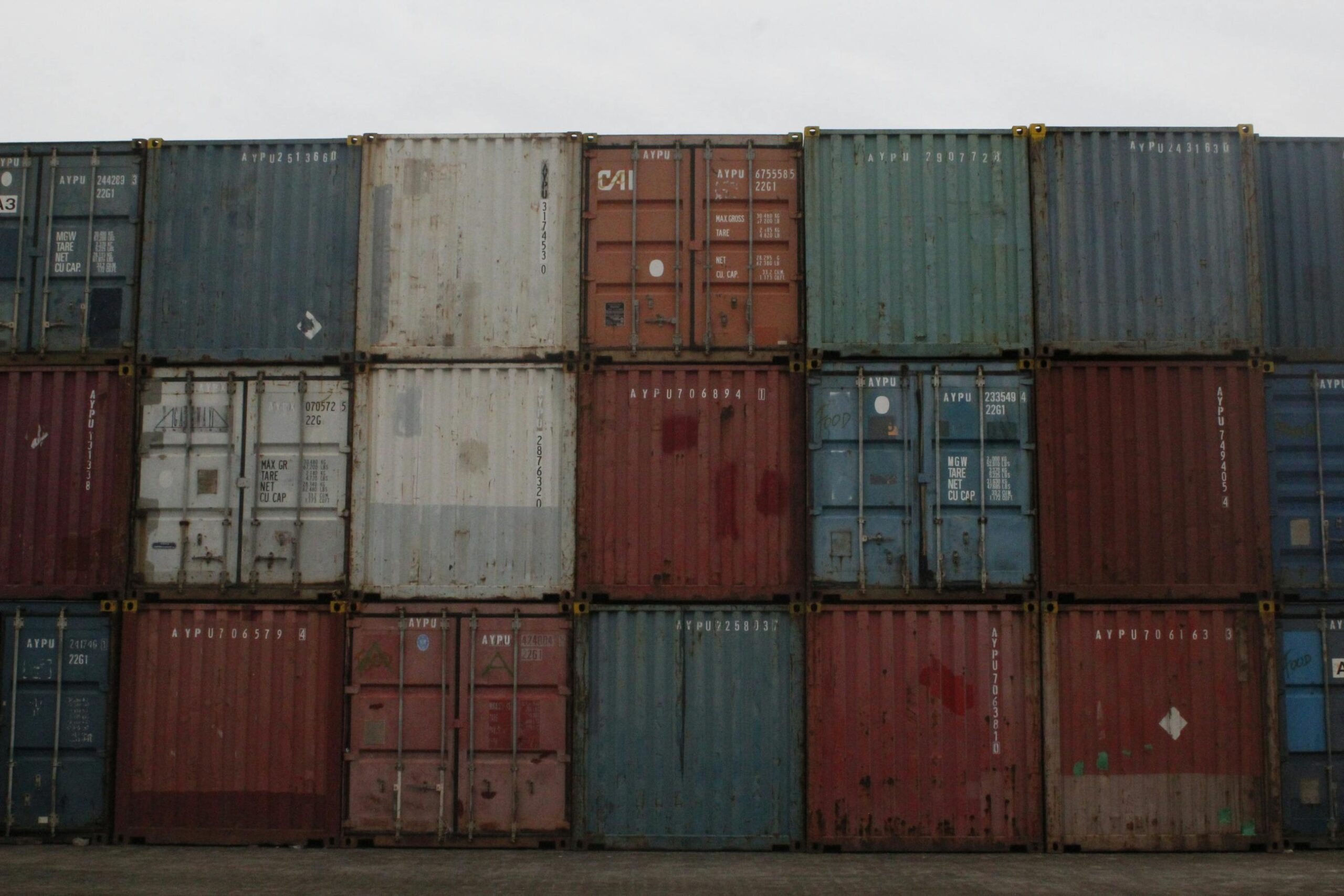
The year 2020 marked a watershed moment for global supply chains. When COVID-19 spread across continents, it exposed the fragility of just-in-time inventory systems and revealed the risks of over-dependence on single-source suppliers and concentrated manufacturing regions. Factories shuttered overnight, shipping containers sat stranded at ports, and critical components became impossible to source.
Beyond the pandemic, escalating trade tensions between major economies added another layer of complexity. Tariffs, sanctions, and export controls forced businesses to reconsider their geographic footprints. The Suez Canal blockage in 2021 further demonstrated how a single disruption point could cascade into billions of dollars in losses across industries.
These converging crises shattered the illusion that supply chains could remain lean, efficient, and globally dispersed without significant risk mitigation strategies. Companies that had spent decades optimizing for cost suddenly found themselves unable to fulfill orders, maintain production schedules, or meet customer commitments.
📊 From Efficiency to Resilience: The New Strategic Imperative
The post-2020 era ushered in a fundamental shift in supply chain philosophy. While cost optimization remains important, resilience has emerged as the dominant strategic priority. This represents a significant departure from the lean manufacturing principles that guided supply chain design for the previous four decades.
Resilience-focused supply chains incorporate multiple strategic elements that were previously considered inefficient or redundant. Companies are deliberately building in slack capacity, maintaining higher inventory levels of critical components, and developing relationships with multiple suppliers across different geographic regions.
The Resilience Framework Components
- Redundancy: Multiple suppliers and backup production facilities to prevent single points of failure
- Flexibility: Agile manufacturing capabilities that can pivot quickly to changing conditions
- Visibility: Real-time tracking and data analytics across the entire supply network
- Collaboration: Deeper partnerships with suppliers built on transparency and shared risk
- Diversification: Geographic and supplier diversity to mitigate regional and vendor-specific risks
🌍 Regionalization and Near-Shoring: The Geography of New Supply Chains
One of the most visible manifestations of supply chain reconfiguration is the shift toward regionalization and near-shoring. After decades of offshoring production to distant low-cost countries, companies are now relocating manufacturing closer to end markets.
This trend doesn’t represent a complete reversal of globalization, but rather a more balanced approach that weighs proximity, speed, and control alongside cost considerations. Mexico has emerged as a major manufacturing hub for North American companies, while Eastern European countries are attracting investments from Western European firms.
Southeast Asian nations including Vietnam, Thailand, and Indonesia have become attractive alternatives to concentrated Chinese manufacturing, offering diversification opportunities while maintaining competitive labor costs. This “China plus one” strategy allows companies to maintain their Chinese operations while reducing dependency through geographic diversification.
The Economics of Proximity
Near-shoring involves higher direct labor costs compared to traditional offshore locations, but this premium is increasingly justified by multiple factors. Shorter transportation distances reduce shipping costs and carbon footprints while enabling faster response times to market changes. Reduced lead times translate into lower inventory carrying costs and better customer service.
Political stability and intellectual property protection in near-shore locations often provide additional value that purely cost-focused analyses might overlook. The total cost of ownership calculation has evolved to incorporate risk factors, speed-to-market advantages, and sustainability considerations that weren’t traditionally quantified.
💻 Digital Transformation: Technology as the Supply Chain Backbone
Technology has emerged as the critical enabler of resilient, reconfigured supply chains. Digital transformation initiatives that might have taken years to implement were compressed into months as companies scrambled to gain visibility and control during the crisis period.
Artificial intelligence and machine learning now power demand forecasting systems that can detect patterns and anomalies across vast datasets, enabling more accurate predictions even in volatile conditions. Advanced analytics help companies optimize inventory levels, identify potential disruptions before they materialize, and simulate scenarios to test different strategic options.
Visibility Through Digital Connectivity
Cloud-based supply chain platforms have become standard infrastructure, replacing fragmented legacy systems that created information silos. These integrated platforms provide end-to-end visibility from raw material sourcing through final delivery, with real-time updates accessible to all stakeholders.
Internet of Things (IoT) sensors embedded in products, containers, and vehicles generate continuous streams of location and condition data. This granular visibility enables proactive problem-solving rather than reactive crisis management. Companies can identify a delayed shipment or temperature excursion immediately rather than discovering problems when goods arrive damaged or late.
Blockchain technology is gaining traction for creating immutable records of product provenance and transaction histories, particularly valuable for industries requiring strict compliance documentation or authenticity verification. The pharmaceutical and luxury goods sectors have been early adopters of blockchain-based supply chain solutions.
🤝 Collaborative Ecosystems: Beyond Transactional Relationships
The traditional arm’s-length, transactional relationship between companies and their suppliers is giving way to deeper, more collaborative partnerships. This shift recognizes that supply chain resilience cannot be achieved through contracts alone but requires genuine alignment of interests and shared commitment to success.
Leading companies now invest in supplier development programs, providing technical assistance, financial support, and capability-building resources to strengthen their supply base. This collaborative approach creates mutual dependency based on value creation rather than power imbalances focused solely on price extraction.
Information sharing has become more transparent, with companies providing suppliers with longer-term forecasts and strategic roadmaps. This visibility enables suppliers to make confident investments in capacity, technology, and workforce development that benefit the entire supply chain.
Risk Sharing and Joint Problem Solving
Progressive companies are developing formal risk-sharing mechanisms with critical suppliers, acknowledging that unexpected costs and disruptions should be addressed collaboratively rather than simply pushed down the supply chain. This might include price adjustment clauses tied to commodity costs or shared investment in safety stock.
Cross-functional teams spanning company boundaries work together on continuous improvement initiatives, product development, and process optimization. These integrated teams break down the traditional barriers between organizations, creating supply chain ecosystems that function more like extended enterprises than independent entities.
♻️ Sustainability Integration: Green Supply Chains as Competitive Advantage
Environmental, social, and governance (ESG) considerations have moved from peripheral concerns to central elements of supply chain strategy. Consumer preferences, regulatory requirements, and investor expectations are all driving companies to reduce the environmental impact of their supply chains while ensuring ethical labor practices throughout their networks.
Carbon footprint measurement and reduction targets now influence fundamental decisions about sourcing locations, transportation modes, and supplier selection. Companies are investing in renewable energy for manufacturing facilities, optimizing logistics routes to minimize fuel consumption, and transitioning vehicle fleets to electric or alternative fuel options.
Circular economy principles are reshaping product design and supply chain operations, with companies building reverse logistics capabilities to recover, refurbish, and recycle products at end of life. This closed-loop approach reduces waste, recovers valuable materials, and creates new revenue streams while addressing environmental concerns.
Transparency and Traceability for Ethical Sourcing
Consumers and regulators increasingly demand transparency regarding the origins of products and the conditions under which they were produced. Companies are implementing traceability systems that can document the journey of materials from mine or farm through final product, ensuring compliance with ethical sourcing standards.
Third-party audits and certifications verify supplier compliance with environmental and labor standards, but leading companies go further by building direct relationships and maintaining ongoing monitoring. Technology platforms enable sharing of audit results and compliance documentation across supply chains, reducing duplication while improving effectiveness.
📈 Measuring Success: New Metrics for Reconfigured Supply Chains
Traditional supply chain metrics focused heavily on cost efficiency and inventory turns remain relevant but insufficient for evaluating reconfigured supply chains. Companies are developing balanced scorecards that incorporate resilience, sustainability, and responsiveness alongside traditional financial measures.
| Metric Category | Traditional Focus | Emerging Focus |
|---|---|---|
| Cost | Unit cost minimization | Total cost of ownership including risk |
| Speed | Average lead time | Lead time variability and flexibility |
| Reliability | On-time delivery percentage | Perfect order fulfillment under stress |
| Risk | Rarely measured | Supplier concentration, geographic risk scores |
| Sustainability | Not typically tracked | Carbon footprint, circular economy metrics |
Resilience Indicators and Stress Testing
Forward-thinking companies conduct regular stress tests of their supply chains, simulating various disruption scenarios to evaluate how well their networks would perform under adverse conditions. These exercises identify vulnerabilities and inform investment priorities for improving resilience.
Supplier financial health monitoring has become a critical metric, with companies tracking the stability of key suppliers to anticipate potential failures before they occur. Early warning systems can trigger contingency plans when suppliers show signs of distress, preventing surprises that disrupt operations.
🚀 Industry-Specific Transformations: Varied Approaches to Reconfiguration
While the broad trends toward resilience, regionalization, and digitalization span industries, specific sectors have pursued distinct approaches to supply chain reconfiguration based on their unique characteristics and challenges.
The automotive industry has invested heavily in semiconductor supply chain visibility and diversification after chip shortages forced production shutdowns worldwide. Automakers are working more closely with semiconductor manufacturers to improve demand forecasting and secure capacity commitments, reversing decades of arm’s-length relationships.
Pharmaceutical and medical device companies face stringent regulatory requirements alongside critical product importance, driving investments in redundant manufacturing capacity and strategic stockpiles of essential materials. The pandemic highlighted dangerous dependencies on single-source suppliers for critical drugs and protective equipment.
Technology and Electronics: Chip Shortage Lessons
The global semiconductor shortage that began in 2020 and extended through 2022 forced technology companies to fundamentally reconsider their supply chains. Highly concentrated manufacturing in Taiwan and South Korea created systemic vulnerabilities that rippled through countless industries dependent on chips.
Major economies announced substantial investments in domestic semiconductor manufacturing capacity, while technology companies secured long-term supply agreements and invested directly in chip production facilities. This represents a significant shift from the previous model of treating chips as readily available commodities.
🎯 Strategic Implementation: Roadmap for Supply Chain Transformation
Successful supply chain reconfiguration requires systematic approaches rather than reactive adjustments. Leading companies follow structured transformation roadmaps that balance immediate needs with long-term strategic objectives.
The journey typically begins with comprehensive risk assessments that map the entire supply network, identifying critical dependencies, single points of failure, and concentration risks. This diagnostic phase creates the foundation for prioritizing which vulnerabilities to address first based on potential impact and likelihood.
Scenario planning exercises explore different future states and test how proposed changes would perform under various conditions. These scenarios should span geopolitical shifts, natural disasters, demand volatility, and supplier failures to ensure the reconfigured supply chain can withstand diverse challenges.
Change Management and Organizational Alignment
Supply chain reconfiguration fails when it remains a purely operational initiative disconnected from broader business strategy. Success requires executive sponsorship, cross-functional alignment, and clear communication about why changes are necessary and how they will be measured.
Organizational structures may need adjustment to support new supply chain models, with enhanced roles for risk management, sustainability, and supplier relationship management. Talent development ensures the workforce has capabilities in data analytics, digital technologies, and collaborative partnership management.
🔮 The Evolution Continues: Future Directions for Global Supply Chains
Supply chain reconfiguration is not a one-time project but an ongoing evolution responding to continually changing conditions. Several emerging trends will shape the next phase of supply chain transformation in the coming years.
Artificial intelligence capabilities will become increasingly sophisticated, potentially enabling autonomous supply chains that self-optimize in real-time without human intervention. Predictive analytics will evolve into prescriptive systems that not only forecast problems but automatically execute solutions.
3D printing and additive manufacturing technologies may fundamentally alter supply chain structures by enabling distributed production closer to points of consumption. As these technologies mature and become cost-competitive for broader applications, they could reduce dependency on complex global manufacturing networks for certain product categories.
Geopolitical fragmentation may accelerate, with the world potentially dividing into competing economic blocs with separate supply chain ecosystems. Companies operating globally will need strategies for navigating this multipolar environment while maintaining scale efficiencies.
💡 Building Competitive Advantage Through Supply Chain Excellence
The companies that emerge strongest from this period of reconfiguration will be those that view supply chains not as back-office functions but as sources of competitive advantage. When properly designed and executed, resilient supply chains enable faster market responsiveness, superior customer service, and innovation capabilities that competitors struggle to match.
Supply chain excellence supports business model innovation by enabling new forms of customization, shortened development cycles, and creative approaches to sustainability. Companies with agile, transparent supply chains can launch products faster, adapt to changing consumer preferences more quickly, and build brand loyalty through consistent delivery performance.
The transformation underway represents a historic opportunity to reimagine how global business operates. Organizations that embrace this change strategically rather than reactively will shape the competitive landscape for decades to come. The future belongs to companies that build supply chains designed for an uncertain world, balancing efficiency with resilience, global reach with regional presence, and profit with purpose.
Supply chain reconfiguration post-2020 is fundamentally transforming global business strategies in ways that extend far beyond operational adjustments. This transformation touches every aspect of how companies compete, from their geographic footprints to their technology investments, from supplier relationships to sustainability commitments. The journey is complex and ongoing, but the strategic imperative is clear: adapt comprehensively or risk irrelevance in a rapidly evolving global economy.