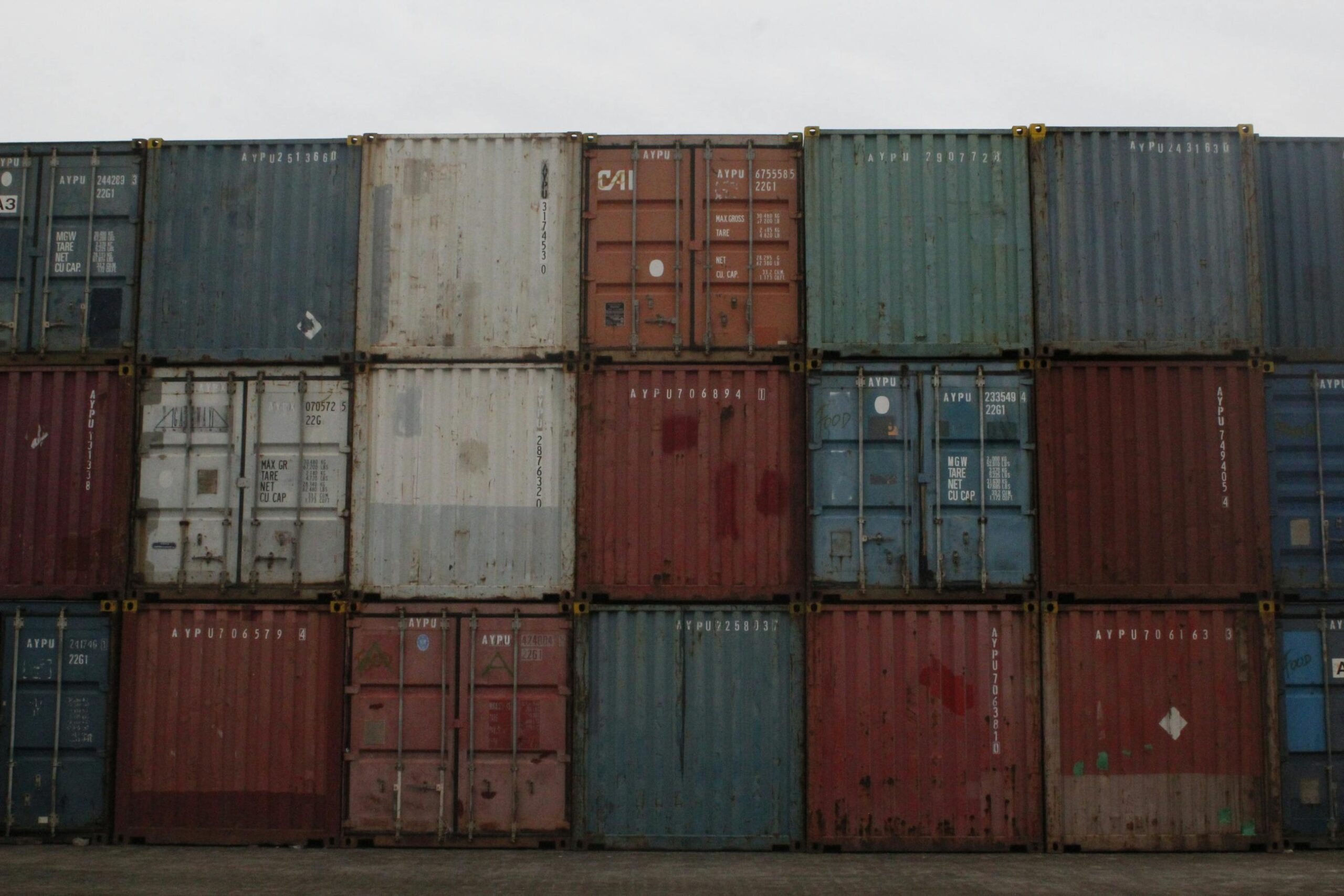
The world economy stands at a crossroads where two powerful forces—globalization and regionalization—simultaneously pull markets, governments, and businesses in seemingly opposite directions. Understanding these dynamics is essential for anyone navigating international commerce today.

For decades, globalization promised a borderless world where goods, services, capital, and ideas flowed freely across continents. Yet recent years have witnessed a resurgence of regional trade agreements, protectionist policies, and localized economic blocs that challenge this vision. This tension between global integration and regional consolidation is reshaping everything from supply chains to diplomatic alliances, creating both opportunities and uncertainties for businesses and nations alike.
🌍 The Golden Age of Globalization: Where We’ve Been
Globalization reached its zenith in the early 21st century, characterized by unprecedented levels of international trade, cross-border investment, and technological connectivity. Multinational corporations established complex supply chains spanning multiple continents, optimizing production costs by manufacturing components wherever labor and materials were cheapest.
The World Trade Organization (WTO) facilitated this expansion by establishing rules-based trading systems that reduced tariffs and eliminated many barriers to international commerce. China’s entry into the WTO in 2001 marked a watershed moment, integrating the world’s most populous nation into the global trading system and dramatically reshaping manufacturing landscapes worldwide.
During this period, consumers benefited from lower prices and greater product variety, while emerging economies experienced rapid industrialization and poverty reduction. Global value chains became increasingly sophisticated, with products containing components from dozens of countries before reaching end users.
The Rise of Regional Trade Blocs: A New Economic Geography
Even as globalization accelerated, regional integration gained momentum through preferential trade agreements among neighboring or strategically aligned nations. The European Union exemplified deep regional integration, creating not just a common market but also shared regulatory frameworks, currency, and supranational governance structures.
North America followed with NAFTA (now USMCA), while Asia witnessed the emergence of ASEAN and more recently the Regional Comprehensive Economic Partnership (RCEP). These regional arrangements often delivered deeper integration than multilateral agreements, addressing behind-the-border barriers like regulatory harmonization and mutual recognition of standards.
Regional blocs offered members preferential access to nearby markets while maintaining higher barriers against outsiders. This created a “hub-and-spoke” pattern in global trade, where regional hubs connected to other regional networks rather than operating in a truly unified global marketplace.
Why Regionalization Appeals to Modern Economies
Geographic proximity reduces transportation costs and delivery times, making regional supply chains more efficient for many products. Cultural and linguistic similarities within regions also facilitate business relationships and reduce transaction costs compared to intercontinental partnerships.
Political considerations matter too. Regional agreements allow like-minded countries to deepen cooperation on issues beyond trade, including security, environmental protection, and labor standards. They also provide geopolitical counterweights in an increasingly multipolar world.
⚖️ The Great Disruption: Events That Challenged Global Integration
Several seismic events over the past decade have disrupted the trajectory toward ever-greater globalization. The 2008 financial crisis exposed vulnerabilities in interconnected financial systems, prompting calls for greater national control over economic policy. Growing income inequality within developed nations fueled populist movements skeptical of free trade agreements.
The United States-China trade tensions that escalated in 2018 demonstrated how geopolitical rivalries could fracture the global trading system. Tariffs, technology restrictions, and investment screening mechanisms created friction in the world’s most important bilateral economic relationship.
The COVID-19 pandemic delivered perhaps the most significant blow to globalization. Border closures, supply chain disruptions, and shortages of critical goods like medical equipment prompted governments to reconsider their dependence on distant suppliers. Concepts like “reshoring,” “nearshoring,” and “friend-shoring” entered mainstream economic discourse.
Supply Chain Resilience vs. Efficiency
The pandemic forced businesses to confront an uncomfortable truth: the most efficient supply chains weren’t necessarily the most resilient. Just-in-time manufacturing and single-source suppliers—hallmarks of globalized production—left companies vulnerable when disruptions occurred.
Many organizations began diversifying suppliers and relocating production closer to end markets, even when this increased costs. Governments introduced policies encouraging domestic manufacturing of strategic goods, from semiconductors to pharmaceuticals, further supporting this trend toward regionalization.
Technology: The Wild Card Reshaping Both Forces 🚀
Technological innovation simultaneously enables both globalization and regionalization in unexpected ways. Digital platforms allow small businesses to reach global customers without extensive physical infrastructure, lowering barriers to international commerce for enterprises of all sizes.
E-commerce giants like Amazon and Alibaba have created truly global marketplaces where consumers browse products from around the world. Digital payment systems and logistics networks make cross-border transactions seamless in ways unimaginable two decades ago.
Yet technology also enables regionalization. Advanced manufacturing techniques like 3D printing and automation reduce labor cost advantages that previously drove offshoring. Companies can now manufacture profitably closer to end markets, shortening supply chains and increasing responsiveness to local preferences.
The Data Localization Movement
Digital trade faces its own globalization-regionalization tension through data localization requirements. Many countries now mandate that data about their citizens be stored within national borders, fragmenting the theoretically borderless digital realm.
These requirements, often justified on privacy and security grounds, create barriers for global technology companies while potentially favoring regional or domestic competitors. The result is an increasingly Balkanized digital landscape that differs markedly from early internet utopian visions of seamless global connectivity.
💼 Strategic Implications for Businesses
Organizations must navigate this complex landscape by developing strategies that acknowledge both global opportunities and regional realities. A one-size-fits-all approach no longer suffices in this fragmented environment.
Successful companies are adopting hybrid models that combine global scale with regional adaptation. This might involve centralized research and development alongside regionally distributed manufacturing, or global brand identities customized for regional markets.
Key Considerations for Business Strategy
- Supply chain architecture: Building flexibility to shift production between regions as conditions change, rather than committing entirely to either global or regional models
- Market diversification: Avoiding over-dependence on any single market or region, spreading risk across multiple geographic areas
- Regulatory compliance: Understanding and adapting to divergent regulatory frameworks across regions rather than assuming harmonized global standards
- Talent strategy: Developing both globally mobile talent and deep regional expertise within the organization
- Technology infrastructure: Investing in systems that enable both global coordination and regional autonomy
Companies must also monitor geopolitical developments closely, as trade policy can shift rapidly based on political changes. Building scenarios for different regulatory environments helps organizations prepare for multiple potential futures.
The Environmental Dimension: Sustainability Reshapes Trade Patterns
Climate change concerns increasingly influence the globalization-regionalization debate. Long-distance shipping generates significant carbon emissions, making regional supply chains more environmentally sustainable for many products. The European Union’s Carbon Border Adjustment Mechanism represents an attempt to embed environmental costs into trade policy.
However, globalization also enables environmental solutions. Renewable energy technology, for instance, benefits from global supply chains that aggregate demand and achieve economies of scale. Wind turbines and solar panels contain components from multiple countries, with global integration accelerating the clean energy transition.
Regional approaches to environmental standards create both opportunities and challenges. Stricter regional regulations can drive innovation and create competitive advantages for compliant companies, but divergent standards across regions increase complexity and costs for global businesses.
🌏 Regional Powerhouses: Different Models of Integration
Different regions pursue distinct integration models reflecting their unique histories, geographies, and political contexts. Understanding these variations is crucial for anyone engaged in international business.
The European Model: Deep Integration
The European Union represents the deepest form of regional integration, with common regulations, freedom of movement for people and capital, and shared institutions with supranational authority. This model prioritizes harmonization and rule-based governance, though recent challenges like Brexit demonstrate that even deep integration faces political limits.
The Asian Approach: Market-Driven Pragmatism
Asian integration tends toward market-driven connections with lighter institutional frameworks. ASEAN and RCEP focus on reducing trade barriers while respecting national sovereignty more than the EU model. This flexibility accommodates the region’s political diversity but results in less regulatory harmonization.
The Americas: Selective Integration
North and South America feature multiple overlapping trade agreements with varying depths of integration. USMCA creates close ties between the United States, Mexico, and Canada, while South American blocs like Mercosur pursue their own integration paths. The result is a complex patchwork requiring careful navigation.
Geopolitics: The Shadow Over Economic Integration
Economic considerations alone no longer determine trade patterns. Geopolitical competition, particularly between the United States and China, increasingly shapes global commerce. Countries face pressure to choose sides or risk being caught between competing blocs.
The concept of “economic statecraft” has gained prominence, with nations using trade relationships, investment policies, and technology standards as tools of geopolitical influence. China’s Belt and Road Initiative exemplifies this approach, creating economic ties that potentially translate into political influence.
Western nations respond with initiatives like the EU’s Global Gateway and the G7’s Build Back Better World (now Partnership for Global Infrastructure and Investment), attempting to offer alternatives to Chinese-backed development financing. These competing visions of regional connectivity reflect deeper strategic rivalries.
🔮 Future Scenarios: Possible Paths Forward
The future relationship between globalization and regionalization remains uncertain, with multiple plausible scenarios depending on political, economic, and technological developments.
One possibility involves continued fragmentation into competing regional blocs with limited interconnection—a return to something resembling Cold War economic geography. This scenario would likely reduce overall economic efficiency but might enhance resilience and regional stability.
Alternatively, we might see a “glocalized” equilibrium where global rules frameworks persist for certain sectors while others regionalize based on strategic or practical considerations. Financial services and digital platforms might remain relatively global, while manufacturing and agriculture become more regionalized.
A third scenario involves technology-enabled micro-globalization, where digital platforms allow even small businesses to operate globally while serving highly localized niches. This would represent neither pure globalization nor regionalization but a fragmented, networked global economy.
Practical Navigation: Thriving Amid Uncertainty
Organizations and policymakers must develop capabilities to thrive regardless of which scenario unfolds. This requires building adaptive capacity rather than betting on a single future.
For businesses, this means maintaining optionality in supply chains, avoiding over-commitment to any single geographic strategy, and developing the organizational agility to pivot as circumstances change. Scenario planning becomes essential, helping organizations prepare for multiple potential futures simultaneously.
Governments face the challenge of pursuing national interests while maintaining sufficient international cooperation to address global challenges like climate change, pandemic response, and financial stability. Finding the right balance between openness and protection remains the fundamental policy challenge.
The Human Element: Workforce Implications of Shifting Trade Patterns 👥
Both globalization and regionalization profoundly affect workers and communities. Globalization’s critics rightly point to job displacement in industries unable to compete with low-cost imports, often concentrated in specific regions that struggle with economic transition.
Regionalization potentially offers more stable employment patterns by shortening supply chains and reducing vulnerability to distant disruptions. However, it may also mean higher consumer prices and reduced economic dynamism compared to more open global competition.
The challenge for policymakers involves creating adjustment mechanisms that help workers and communities adapt to changing trade patterns, whether driven by globalization or regionalization. This includes education and training programs, social safety nets, and place-based economic development strategies.

Finding Balance: Neither Extreme Serves Us Well
The evidence suggests that neither extreme globalization nor complete regionalization optimally serves most economies. Pure globalization creates vulnerabilities and distributional challenges, while complete regionalization sacrifices efficiency gains and reduces competition that drives innovation.
The optimal approach likely involves strategic integration—being global where it makes sense and regional where circumstances favor it. Critical goods requiring supply security might be produced regionally or domestically, while other products benefit from global sourcing and markets.
This nuanced approach requires more sophisticated analysis than simply advocating “more” or “less” globalization. It demands case-by-case assessment of costs, benefits, and risks across different sectors and products.
The tension between globalization and regionalization will continue shaping our economic landscape for years to come. Rather than viewing these as opposing forces where one must triumph, we might better understand them as complementary dynamics that can coexist and even reinforce each other when properly balanced.
Success in this environment requires flexibility, resilience, and the wisdom to recognize which approach serves best in specific contexts. Businesses, governments, and individuals who develop this discernment will be best positioned to navigate the complex forces shaping the future of global trade and regional alliances. The path forward isn’t about choosing between these models but skillfully blending them to create economic systems that are simultaneously efficient, resilient, and equitable.