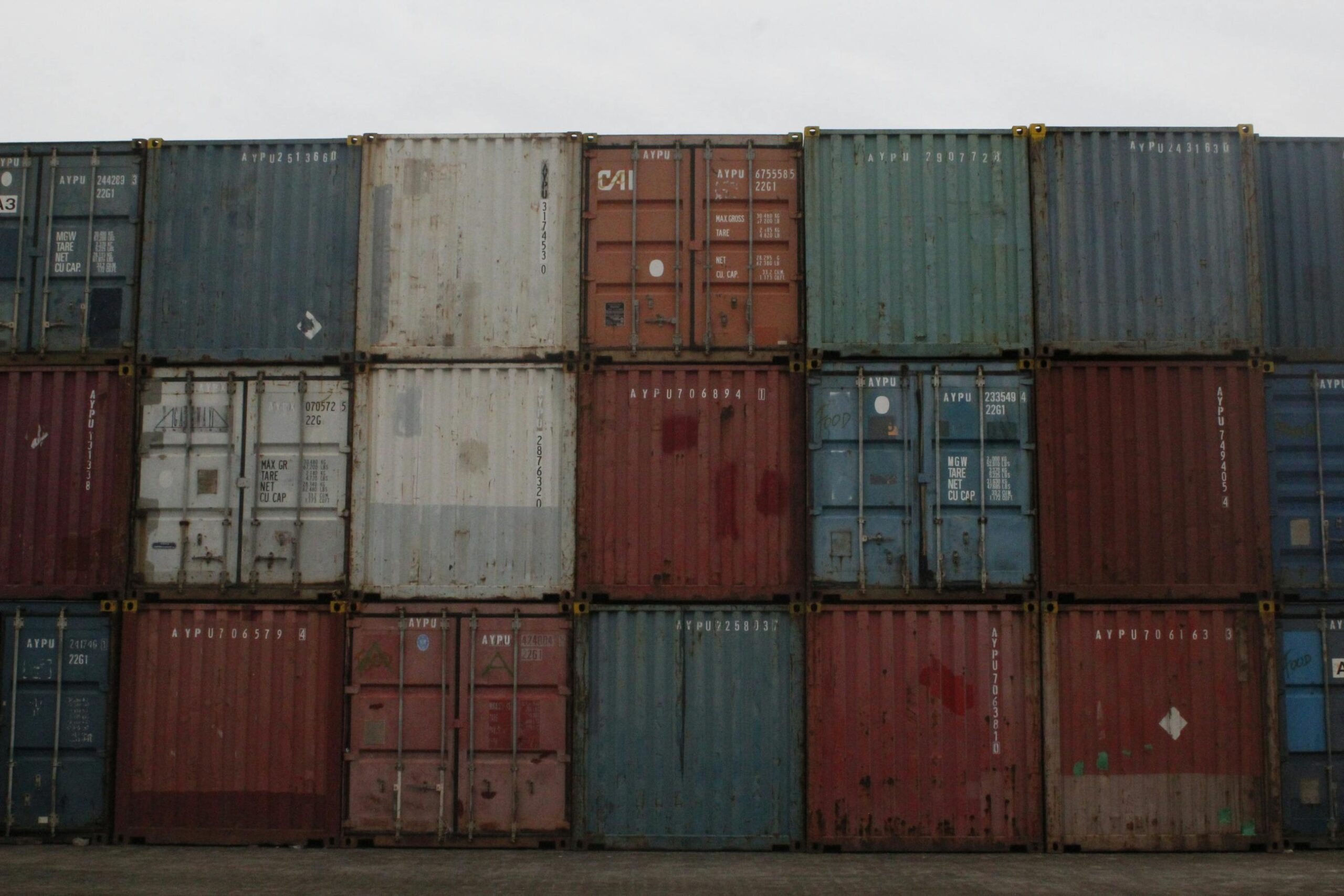
The global economy is undergoing a seismic transformation as nations retreat into protectionist policies, challenging decades of trade liberalization and economic integration that defined the post-World War II order.

Trade wars and economic nationalism are no longer abstract policy debates confined to academic journals or political think tanks. They are reshaping supply chains, influencing corporate strategies, altering diplomatic relationships, and fundamentally changing how goods, services, and capital flow across borders. From tariff escalations between the world’s largest economies to strategic restrictions on critical technologies, these developments represent a decisive pivot toward a more fragmented and contested global economic landscape.
🌍 The New Era of Economic Confrontation
The contemporary wave of trade conflicts differs substantially from historical precedents. Unlike previous protectionist episodes that often resulted from economic downturns or wartime necessities, today’s trade tensions emerge from a complex mixture of geopolitical rivalry, technological competition, and domestic political pressures.
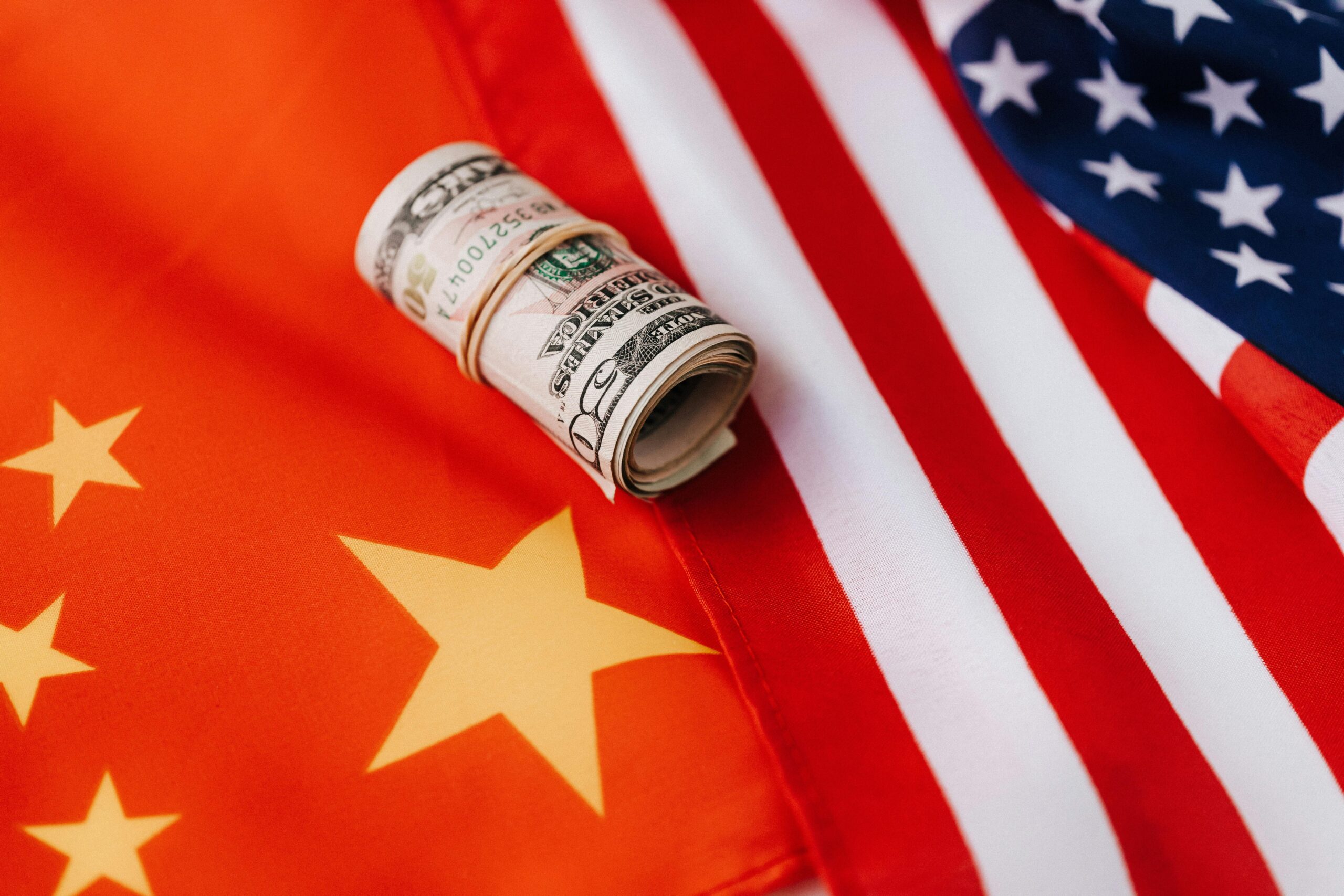
The United States-China trade conflict, which intensified dramatically in 2018, serves as the most prominent example of this new paradigm. What began as disputes over bilateral trade deficits evolved into a comprehensive economic confrontation encompassing technology transfers, intellectual property rights, industrial subsidies, and strategic technological dominance. The imposition of tariffs on hundreds of billions of dollars worth of goods between these two economic giants sent shockwaves through global markets and forced multinational corporations to reconsider their international footprints.
This confrontation extends beyond tariffs. Export controls on semiconductors, restrictions on foreign investment in sensitive sectors, and the politicization of technology standards represent new battlegrounds in economic nationalism. The debate surrounding 5G telecommunications infrastructure, particularly concerning Chinese technology companies, illustrates how trade policy has become inseparable from national security considerations.
📊 Economic Nationalism: Drivers and Manifestations
Economic nationalism—the prioritization of domestic economic interests over international cooperation—has gained traction across diverse political systems and geographical regions. Several interconnected factors explain this resurgence.
Employment Anxiety and Industrial Decline
Deindustrialization in developed economies has created constituencies that feel left behind by globalization. Manufacturing job losses in the American Rust Belt, industrial decline in parts of Europe, and stagnating wages among working-class populations have fueled populist movements that advocate for protective measures. Political leaders have responded by promising to bring back jobs through tariffs, preferential procurement policies, and restrictions on outsourcing.
Strategic Autonomy and Supply Chain Vulnerabilities
The COVID-19 pandemic exposed the fragility of globally dispersed supply chains, particularly for critical medical supplies and pharmaceuticals. Nations confronted the reality that excessive dependence on foreign suppliers—even for essential goods—created strategic vulnerabilities. This recognition accelerated efforts to reshore or nearshore production capabilities, particularly in sectors deemed vital for national security or public health.
Technological Competition and Digital Sovereignty
The race for technological supremacy in artificial intelligence, quantum computing, biotechnology, and advanced manufacturing has become central to national competitiveness and security. Governments increasingly view technology leadership not merely as an economic advantage but as a prerequisite for military capability and geopolitical influence. This perspective has led to export restrictions, investment screening mechanisms, and government support for domestic technology champions.
💼 Corporate Strategies in a Fragmenting World
Multinational corporations face unprecedented challenges navigating this increasingly complex environment. The traditional model of global value chains optimized for efficiency now confronts political risks that were previously considered manageable externalities.
Many companies are pursuing strategies of regionalization, creating parallel supply chains to serve different markets and reduce exposure to trade disruptions. Others are implementing “China plus one” strategies, maintaining operations in China while diversifying manufacturing to Vietnam, India, Mexico, or other countries. These adjustments require substantial capital investments and often result in higher production costs, challenging the decades-long trend of declining prices for manufactured goods.
Technology companies face particularly acute dilemmas. They must balance the pursuit of global markets with compliance to divergent and sometimes contradictory regulatory requirements. Data localization mandates, varying content moderation standards, and incompatible technical specifications create operational complexities that fundamentally challenge the borderless nature of digital services.
🛡️ The Weaponization of Economic Interdependence
Economic interdependence, once celebrated as a force for peace and cooperation, has increasingly become a tool of coercion and leverage. Nations now recognize that control over critical resources, technologies, or market access provides strategic advantages that can be exploited during geopolitical conflicts.
Sanctions have evolved from targeted measures against specific entities to comprehensive restrictions affecting entire economic sectors. Secondary sanctions that penalize third parties for doing business with designated countries extend national jurisdiction extraterritorially, forcing companies and governments to choose between different major markets.
Export controls on advanced technologies represent another dimension of economic weaponization. Restrictions on semiconductor manufacturing equipment, for example, aim to constrain the technological advancement of geopolitical rivals by denying them access to critical inputs. These measures fundamentally challenge the principle of free trade in goods and services.
🌐 Regional Responses and Alternative Frameworks
As multilateral trade governance weakens, regional arrangements have gained prominence. These agreements represent attempts to maintain rules-based trade among like-minded partners while managing relationships with countries outside these frameworks.
The Comprehensive and Progressive Agreement for Trans-Pacific Partnership (CPTPP) exemplifies this approach, creating deep economic integration among Pacific Rim nations while establishing high standards for intellectual property, labor rights, and environmental protection. The Regional Comprehensive Economic Partnership (RCEP) in Asia represents a different model—broader membership with less ambitious regulatory harmonization, prioritizing inclusiveness over depth.
The European Union continues pursuing strategic autonomy while maintaining commitment to rules-based trade, a balancing act that reflects internal tensions between economic openness and protectionist impulses. The EU’s carbon border adjustment mechanism illustrates attempts to reconcile environmental ambitions with trade policy, though critics view it as disguised protectionism.
📉 Economic Consequences: Winners and Losers
The shift toward economic nationalism and trade confrontation produces complex distributional effects across countries, sectors, and social groups. Understanding these impacts is essential for assessing the sustainability and ultimate trajectory of current trends.
Aggregate Economic Costs
Economic research consistently demonstrates that trade restrictions reduce aggregate welfare by increasing consumer prices, limiting competitive pressures, and reducing productive efficiency. Estimates of the costs of the US-China trade war range from tens to hundreds of billions of dollars annually in lost output, with effects extending far beyond the directly involved countries through global supply chain disruptions.
However, these aggregate costs conceal significant distributional variations. Protected industries and their workers may benefit substantially from trade barriers, even if the broader economy suffers. This creates powerful political constituencies supporting protectionist measures despite negative overall impacts.
Emerging Market Opportunities
Some countries have benefited from trade diversions and corporate strategies seeking alternatives to China-centric supply chains. Vietnam, Bangladesh, Mexico, and India have attracted manufacturing investments displaced by trade tensions. However, these gains are neither automatic nor evenly distributed, requiring substantial infrastructure investments, policy reforms, and human capital development.
Innovation and Technological Progress
Perhaps most concerning are the long-term effects on innovation and technological progress. International collaboration has historically accelerated scientific advancement and technology diffusion. Trade restrictions, visa limitations for researchers, and technology decoupling threaten to fragment global innovation systems, potentially slowing the pace of technological progress and increasing duplicative research efforts.
🔮 The Future of Global Economic Order
The trajectory of trade wars and economic nationalism will profoundly influence the structure of the international system for decades. Several scenarios appear plausible, each with distinct implications for prosperity, security, and cooperation.
Managed Competition
One possibility involves major economies establishing rules of engagement that allow for strategic competition while preventing catastrophic escalation. This would require diplomatic frameworks that acknowledge legitimate security concerns while preserving beneficial economic integration where possible. Sectoral agreements distinguishing between strategic and commercial domains might enable this delicate balance.
Deepening Fragmentation
Alternatively, current trends might accelerate toward more comprehensive decoupling, with the global economy dividing into separate spheres of influence. This scenario would see parallel technology standards, incompatible digital infrastructures, and substantially reduced cross-bloc economic integration. While potentially reducing certain security vulnerabilities, this path would impose enormous economic costs and increase geopolitical tensions.
Selective Re-globalization
A third path involves pragmatic adjustments that maintain global integration in non-strategic sectors while accepting greater government intervention in areas genuinely connected to national security. This approach would represent a middle ground between open globalization and comprehensive protectionism, though defining which sectors qualify as strategic remains contentious.
⚖️ Policy Implications and Strategic Considerations
Navigating this turbulent environment requires sophisticated policy frameworks that balance multiple objectives including economic efficiency, security considerations, social cohesion, and international cooperation.
For governments, distinguishing genuine security concerns from disguised protectionism is essential. Overclassifying commercial activities as security-related risks triggering retaliatory measures and accelerating fragmentation unnecessarily. Transparent criteria and multilateral dialogue can help maintain this distinction.
Investment in domestic capabilities—including education, infrastructure, and research—provides more sustainable competitiveness than import barriers. Countries that combine open trade with strong domestic institutions and innovation systems generally achieve better economic outcomes than those relying primarily on protectionism.
International institutions require reform to address legitimate concerns about fairness, enforcement, and adaptation to technological change. Strengthening dispute resolution mechanisms, updating rules to address digital trade and state-owned enterprises, and ensuring more equitable distribution of globalization’s benefits could rebuild support for multilateral cooperation.
🚀 Charting a Path Forward Through Uncertain Waters
The contemporary shift toward trade wars and economic nationalism reflects deeper transformations in global power distributions, technological capabilities, and social expectations. While the pendulum has swung decisively away from the hyperglobalization of recent decades, the ultimate destination remains uncertain and contested.
Business leaders must develop adaptive strategies that build resilience against political risks while maintaining the efficiency advantages of international operations. This requires sophisticated scenario planning, diversified supply chains, and engagement with policy processes in multiple jurisdictions.
Citizens and civil society organizations play crucial roles in shaping these debates. Demanding evidence-based policies, insisting on transparency in trade negotiations, and holding leaders accountable for both economic and social outcomes can help steer toward approaches that balance openness with legitimate concerns about security and equity.
The fundamental question is not whether governments will intervene in trade and investment—they always have and always will. Rather, the challenge is ensuring such interventions are proportionate to genuine risks, transparent in their implementation, and structured to preserve maximum beneficial cooperation while addressing valid security and social concerns. The stakes could hardly be higher, as the choices made in this decade will shape global prosperity and security for generations to come.
Understanding these dynamics is no longer optional for anyone seeking to comprehend contemporary economics, geopolitics, or business strategy. The global showdown over trade and economic nationalism represents one of the defining challenges of our era, demanding informed engagement from policymakers, business leaders, and citizens alike. How we collectively navigate these turbulent waters will determine whether we achieve managed competition that preserves prosperity while addressing legitimate concerns, or descend into destructive fragmentation that leaves everyone worse off.