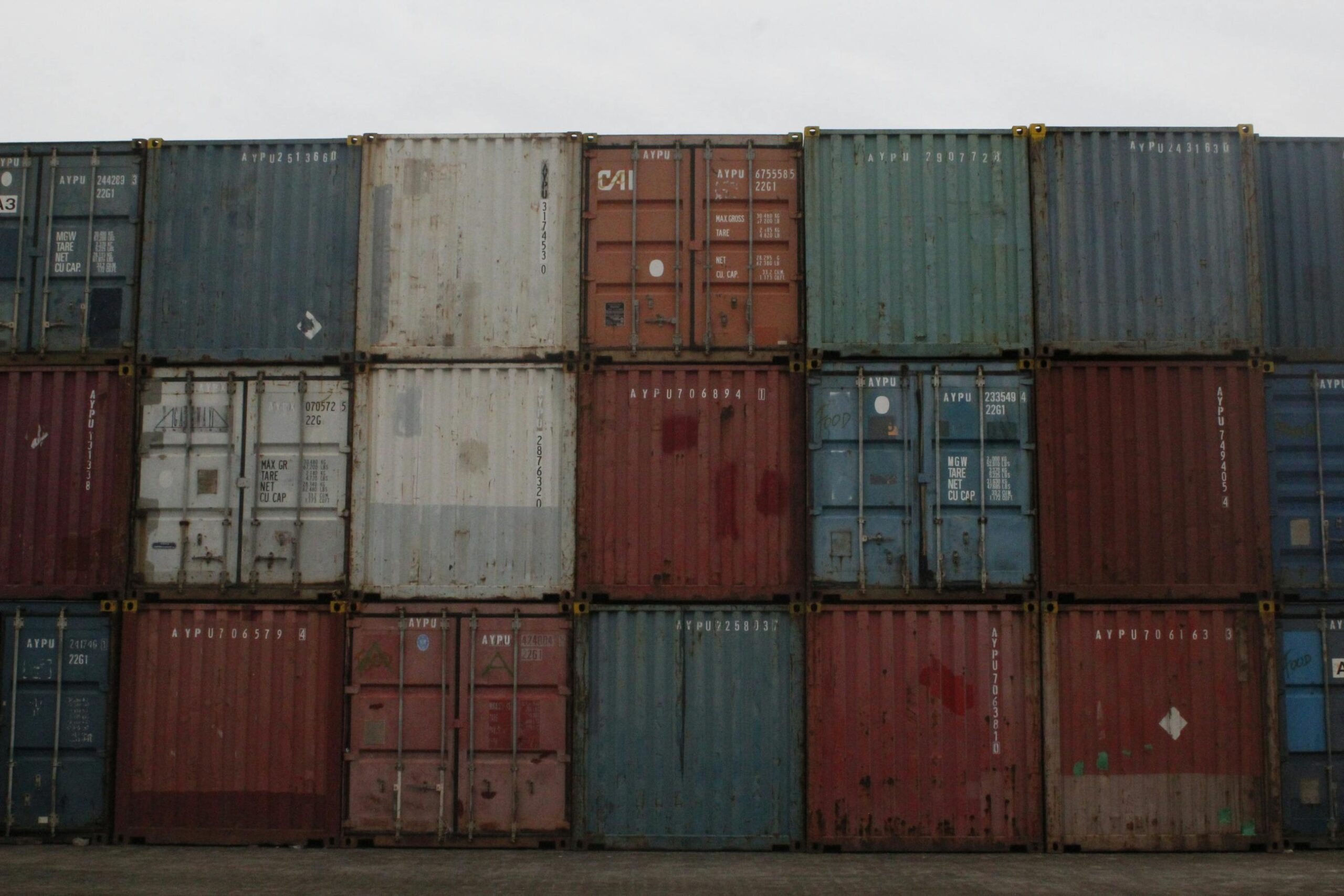
The global economic landscape is undergoing a profound transformation as emerging economies challenge traditional power structures in international trade. These shifts are fundamentally altering how nations negotiate, collaborate, and compete in the marketplace.

For decades, established Western economies dominated trade negotiations, setting rules and frameworks that shaped global commerce. Today, a new reality emerges where countries like China, India, Brazil, and others demand equal footing at the negotiating table, bringing fresh perspectives and priorities that reflect their unique economic trajectories and regional interests.
🌍 The Rise of Economic Powerhouses Beyond Traditional Borders
Emerging economies have experienced unprecedented growth over the past three decades, fundamentally reshaping the global economic hierarchy. Nations that were once considered primarily as manufacturing hubs or resource providers now possess sophisticated financial systems, technological capabilities, and consumer markets that rival those of established powers.
China’s ascension exemplifies this transformation most dramatically. From its economic reforms in the late 1970s to becoming the world’s second-largest economy, China has evolved from a rule-taker to a rule-maker in international trade. The Belt and Road Initiative represents not just infrastructure investment but a strategic reimagining of trade routes and economic partnerships that bypasses traditional Western-dominated channels.
India’s trajectory tells a complementary story. With a burgeoning middle class exceeding 400 million people and a thriving technology sector, India leverages its demographic dividend and digital infrastructure to position itself as an indispensable partner in global trade discussions. The country’s negotiating stance increasingly reflects confidence backed by economic substance rather than mere aspirational rhetoric.
The BRICS Factor in Reshaping Trade Dynamics
The BRICS coalition—Brazil, Russia, India, China, and South Africa—represents a formalized effort by emerging economies to coordinate their positions in global trade negotiations. This grouping, which now includes additional members like Egypt, Ethiopia, Iran, and the UAE, controls significant portions of global GDP, population, and natural resources.
What makes BRICS particularly influential is its ability to present alternative frameworks for international cooperation. The New Development Bank, established by BRICS nations, offers financing options that compete with traditional institutions like the World Bank and IMF, providing borrowing countries with greater negotiating leverage and alternative conditions that may better align with their development priorities.
💼 Changing Priorities at the Negotiating Table
Emerging economies bring distinctly different priorities to trade negotiations compared to their established counterparts. While traditional powers often emphasize intellectual property protection, market access for services, and regulatory harmonization, emerging economies prioritize technology transfer, agricultural market access, and development-oriented provisions.
This divergence creates both friction and opportunity. Negotiations become more complex as multiple legitimate perspectives compete for inclusion in trade agreements. However, this complexity also encourages more comprehensive agreements that address a broader range of economic realities and development stages.
Technology Transfer and Intellectual Property Tensions
Few issues illustrate the power shift more clearly than debates over technology transfer and intellectual property rights. Established economies, home to most major technology corporations, push for stringent IP protections. Emerging economies argue that excessive restrictions impede their development and technological catch-up, advocating for more flexible frameworks that balance innovation incentives with development needs.
These tensions manifest in various forums, from World Trade Organization disputes to bilateral trade agreement negotiations. Emerging economies increasingly possess the economic weight to resist one-sided terms, forcing more balanced compromises that acknowledge their legitimate development interests alongside innovation protection.
📊 Regional Trade Agreements as Power Laboratories
The proliferation of regional trade agreements provides emerging economies with platforms to experiment with alternative trade governance models. The Regional Comprehensive Economic Partnership (RCEP), which includes China, Japan, South Korea, Australia, New Zealand, and ASEAN nations, represents the world’s largest trade bloc by GDP and population.
RCEP’s significance extends beyond its size. Unlike Western-led agreements that typically emphasize deep integration with extensive regulatory harmonization, RCEP adopts a more flexible approach that accommodates diverse development levels and regulatory traditions. This model may prove more attractive to developing nations wary of commitments that constrain their policy space.
Similarly, the African Continental Free Trade Area (AfCFTA) demonstrates how emerging and developing economies create their own integration frameworks rather than simply joining existing Western-dominated arrangements. With 54 participating countries representing a combined GDP exceeding $3 trillion and a market of 1.3 billion people, AfCFTA reshapes trade patterns by prioritizing intra-African commerce over traditional North-South trade relationships.
The South-South Trade Corridor Expansion
Trade between emerging economies—often termed South-South trade—has grown exponentially, reducing dependence on traditional markets in North America and Europe. This shift grants emerging economies greater negotiating autonomy, as they possess alternative markets for their exports and sources for their imports.
Brazil’s trade relationship with China illustrates this pattern. China has become Brazil’s largest trading partner, absorbing substantial portions of Brazilian agricultural and mineral exports. This relationship provides Brazil with alternatives to traditional markets and strengthens its negotiating position with Western trading partners.
🔄 Digital Trade and the New Frontier of Negotiations
Digital trade represents perhaps the most contested frontier in contemporary trade negotiations, and emerging economies approach this domain with particular strategic focus. Unlike traditional trade in goods, where established economies held clear advantages in manufacturing technology and capital, digital trade offers opportunities for emerging economies to compete more symmetrically.
India’s thriving digital services sector exemplifies this potential. The country has become a global hub for IT services, business process outsourcing, and increasingly sophisticated software development. This strength translates into negotiating leverage on issues like data localization, cross-border data flows, and digital services market access.
China’s approach to digital trade negotiations reflects both its opportunities and challenges. As home to some of the world’s largest technology companies and most extensive digital payment systems, China advocates for frameworks that accommodate diverse regulatory approaches to data governance and digital platforms. This position often conflicts with Western preferences for open data flows and minimal digital trade restrictions.
Data Sovereignty as a Negotiating Priority
Emerging economies increasingly emphasize data sovereignty—the principle that data generated within a country’s borders should be subject to its laws and potentially stored domestically. This stance reflects both security concerns and economic interests in nurturing domestic digital industries.
While established economies often characterize data localization requirements as protectionist barriers, emerging economies frame them as legitimate regulatory sovereignty and strategic industrial policy. This fundamental disagreement ensures that digital trade rules will remain contested terrain where emerging economy perspectives significantly shape outcomes.
🌾 Agricultural Trade and Food Security Imperatives
Agricultural trade negotiations reveal stark differences between emerging and established economy priorities. Many emerging economies remain significantly agrarian, with large rural populations dependent on agricultural livelihoods. Consequently, they approach agricultural trade negotiations with concerns about rural employment, food security, and protection for smallholder farmers.
India’s stance in WTO agricultural negotiations exemplifies this position. The country consistently defends its right to maintain substantial agricultural support programs and food security measures, even when such policies conflict with trade liberalization preferences of agricultural exporters like the United States, Canada, and Australia.
Conversely, emerging agricultural powerhouses like Brazil and Argentina push aggressively for market access in developed economies, challenging subsidies and protections that favor domestic farmers in Europe, North America, and Japan. This creates interesting dynamics where emerging economies themselves hold divergent agricultural trade interests based on their specific economic structures.
💡 Climate Change and Sustainable Development in Trade Frameworks
Emerging economies bring critical perspectives to the intersection of trade and climate policy. They emphasize common but differentiated responsibilities—the principle that while all nations should address climate change, developed countries bear greater historical responsibility and should provide financial and technological support for developing country transitions.
This position influences trade negotiations around carbon border adjustments, environmental standards in trade agreements, and green technology transfer. Emerging economies resist what they perceive as climate protectionism—environmental measures that effectively function as trade barriers—while advocating for provisions that facilitate access to clean technologies and financial resources for sustainable development.
The energy transition creates both opportunities and challenges for emerging economies in trade negotiations. Resource-rich nations like Indonesia, Chile, and the Democratic Republic of Congo possess critical minerals for renewable energy technologies, providing substantial negotiating leverage. However, fossil fuel-dependent emerging economies face pressure to transition while managing significant economic disruptions.
🤝 Multilateralism versus Bilateralism: Strategic Choices
Emerging economies navigate complex choices between multilateral engagement through institutions like the WTO and bilateral or regional negotiations. The WTO’s consensus-based decision-making theoretically provides smaller economies with voice and protection against power asymmetries. However, WTO paralysis, particularly regarding its dispute settlement mechanism, has driven many nations toward alternative arrangements.
Bilateral and regional agreements offer emerging economies opportunities to negotiate terms that better reflect their specific interests and leverage. However, these arrangements can also expose them to pressure from more powerful partners. Balancing these approaches remains a central strategic challenge.
China’s dual approach illustrates this balance. The country remains engaged with WTO reform discussions while simultaneously pursuing ambitious bilateral and regional agreements that expand its influence. This strategy allows China to shape rules at multiple levels while maintaining flexibility to emphasize whichever forum offers the most favorable terms for particular issues.
🎯 The Future Landscape of Global Trade Negotiations
The power shifts underway in global markets are not temporary fluctuations but structural transformations that will define international trade for decades. Emerging economies possess the economic weight, institutional capacity, and political will to demand meaningful roles in shaping trade rules rather than simply accepting frameworks designed by others.
This evolution promises more complex negotiations with diverse perspectives and interests represented at the table. Agreements may take longer to conclude and involve more intricate compromises. However, this complexity also offers potential for more legitimate and sustainable frameworks that accommodate the interests of a broader range of nations and development levels.
Traditional powers face a fundamental choice: resist these shifts and risk increasing fragmentation and conflict, or adapt to new realities by embracing more inclusive negotiating processes that grant emerging economies substantive voice and influence. The latter path requires genuine power-sharing and willingness to compromise on issues where established and emerging economy interests diverge.
Institutional Adaptation and Reform Imperatives
International economic institutions must adapt to reflect new power distributions or risk obsolescence. The IMF’s quota reforms, which increased emerging economy voting shares, represent one example of necessary adaptation. However, much more remains to be accomplished to align institutional governance with economic realities.
The WTO faces particularly urgent reform needs. Its negotiating functions have largely stalled, and its dispute settlement system remains paralyzed. Emerging economies advocate for reforms that address development concerns more substantively while maintaining the organization’s core principles. Whether traditional powers embrace meaningful reform or allow the institution to decline will significantly shape the future trade landscape.

🚀 Navigating the New Trade Reality
Businesses, policymakers, and civil society must adapt to this new reality where emerging economies wield substantial influence over trade rules and negotiations. Understanding diverse perspectives and interests becomes essential for anyone engaged with international trade.
For businesses, this means engaging with a more complex regulatory landscape where rules may vary more significantly across markets and where influence over rule-making is distributed more widely. Companies must build relationships and understanding across a broader range of jurisdictions and cannot rely solely on support from traditional Western governments to advance their interests.
Policymakers in all countries face the challenge of balancing domestic constituencies with international negotiating realities. In emerging economies, this often means managing tensions between aspirations for greater global influence and domestic development needs that may counsel caution about extensive international commitments.
The transformation of global trade governance through emerging economy empowerment represents neither simple progress nor decline but rather a complex restructuring that creates both opportunities and challenges. The outcomes will depend on whether participants approach negotiations with flexibility, mutual respect, and genuine commitment to frameworks that serve diverse interests rather than narrow advantages.
As emerging economies continue reshaping trade negotiations, the global community stands at a crossroads. The path forward requires acknowledging new power distributions, embracing inclusive processes, and building frameworks robust enough to accommodate diverse economic models and development stages. Only through such adaptation can the international trading system maintain legitimacy and effectiveness in this transformed landscape.